Summary
Paying for memory care without selling your parents' house is achievable through multiple funding strategies that most families combine to spread costs across different sources.
- Access home equity through reverse mortgages, home equity lines of credit (HELOCs), or cash-out refinancing without requiring a sale
- Explore insurance options including long-term care policies, VA Aid and Attendance benefits for veterans, and life insurance accelerated death benefits
- Investigate Medicaid planning with an elder law attorney to understand how primary residences are often protected while qualifying for coverage
- Generate income by renting the house or rooms, or converting the property into a duplex or accessory dwelling unit
- Consider bridge loans, family loans with written agreements, or combining personal savings with other funding sources to create a customized payment plan
For many families, the first thing that comes to mind when a parent needs memory care is the house. It holds decades of family history and is often the biggest asset they own, so selling it can feel like the only way forward, and a painful one.
It doesn’t have to be. Keeping the house while paying for memory care is realistic for more families than you’d expect. Several options let you pay for memory care without selling the house, and most families combine a few of them. Here’s how they work, starting with the house itself.
Tap Into Home Equity Without a Sale
Home equity is where many families start when financing memory care options. A reverse mortgage lets homeowners 62 or older turn equity into cash with no monthly mortgage payment. The loan is typically repaid when the home is sold or the homeowner no longer lives there, so it often works best when a spouse remains in the house. Ask the lender how a move to memory care would affect the terms.
A home equity line of credit (HELOC) is another route. Think of it as a credit card backed by the home’s value. You borrow what you need, when you need it, and rates are often lower than personal loans.
Cash-out refinancing replaces the existing mortgage with a larger one, and you receive the difference in cash. It makes the most sense when interest rates are favorable, since it gives you one predictable monthly payment.
Make the Most of Insurance Coverage
Several insurance programs can help cover costs without touching the house:
- Long-term care insurance: Policies often include coverage for memory care, though what’s included varies quite a bit. Review the policy carefully, and ask the insurer about waiting periods and how to file a claim correctly.
- VA Aid and Attendance: Veterans and their surviving spouses may qualify for extra monthly income meant for care expenses. The application takes time, but the support can make a real difference. The Laurels & The Haven In Highland Creek also offers a Veterans Program with savings for those who served.
- Life insurance: Some policies include accelerated death benefits or long-term care riders that give early access to funds. Ask the insurer about converting or borrowing against an existing policy.
Look Into Medicaid Planning Options
Medicaid may help cover memory care, but qualifying means meeting strict income and asset rules. An elder law attorney can explain how to protect the house while becoming eligible. In most states, the primary residence isn’t counted toward the asset limit up to a certain equity amount.
When one spouse needs care and the other stays at home, spousal protections let the spouse at home keep living in the house. Rules differ by state, so a Medicaid planning specialist can tell you what applies to your family.
Medicaid estate recovery programs sometimes place liens on property after both spouses have passed away. Exemptions and hardship waivers do exist, and knowing the rules early helps you make confident choices.
Turn the Property Into an Income Source
Your parents’ house can help fund care without a sale:
- Renting: Renting the entire house or individual rooms brings in steady income. If managing tenants isn’t practical, a property management company can handle the day-to-day work.
- Converting: Turning a larger house into a duplex or adding an accessory dwelling apartment creates more than one income stream. It takes upfront investment, but the earning potential can grow over time.
Consider Short-Term Financing Solutions
Memory care payment alternatives also include bridge loans, which provide short-term financing while you arrange longer-term solutions or wait for other assets to become available. They use the house as collateral without requiring a sale, which helps when you need funds quickly.
Family members can also pool resources or lend money. Written agreements with clear repayment terms protect everyone and keep both the money and the house in the family.
Mix Different Funding Sources Together
Most families blend a few strategies. You might pair personal savings with a HELOC, or Veterans benefits with rental income. Spreading the cost across sources means no single one carries the full weight, and it’s how many families afford memory care and keep the home.
A financial advisor experienced in memory care financial planning can project costs over time and help you choose the right mix.
Planning Your Next Step in Charlotte, NC
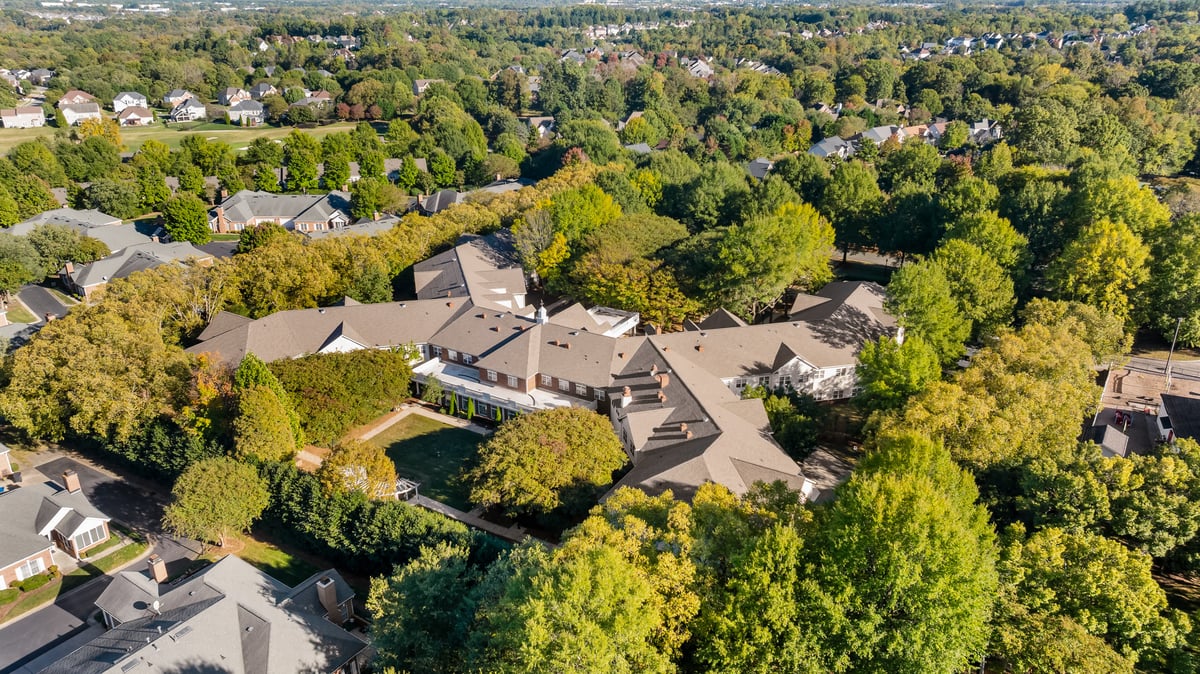
SHINE® Memory Care suites at The Laurels & The Haven In Highland Creek are meant for comfort and familiarity, and our team can walk you through floor plans and pricing so your financial planning starts with real numbers. When you’re ready to see the community in person, schedule a tour today.