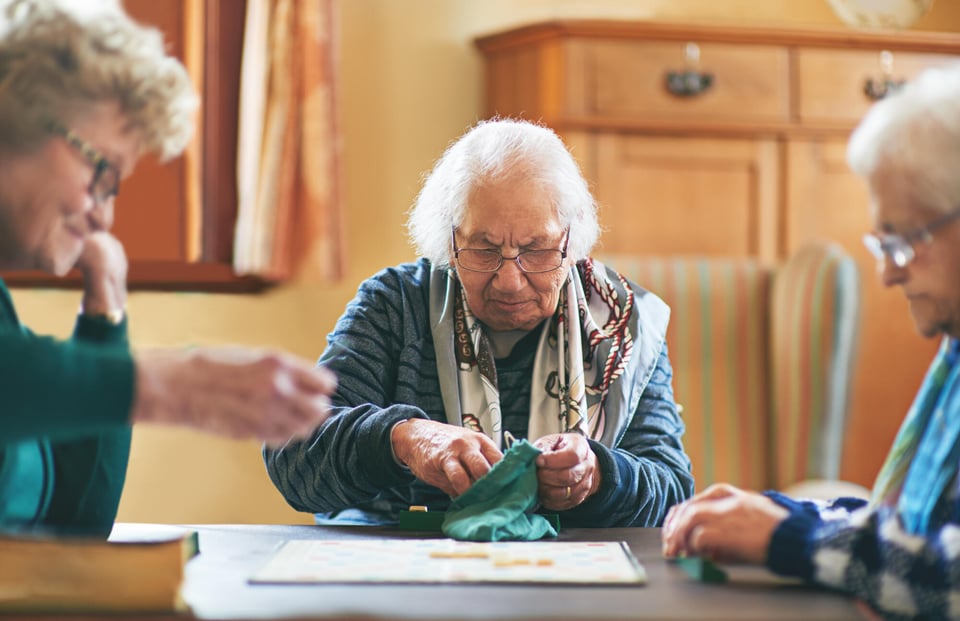
Senior brain games like number games or sequencing tasks help older adults cultivate a deeper sense of curiosity and social connection. It also keeps seniors mentally agile by engaging multiple parts of the brain in satisfying ways.
Regular play in Charlotte, NC, can lead to sharper thinking, emotional balance, and other benefits. After all, aging shouldn't mean that curiosity dims or learning grinds to a halt. Instead, the brain continues to adapt when given the right stimulation, especially when activities feel fun rather than forced.
Games open the door to exploration, laughter, and substantive moments, all of which matter for long-term mental wellness in aging. When seniors challenge themselves, the mind stays sharp.
What Are the Best Brain Games for Seniors?
The best brain games for seniors balance challenge with enjoyment. Games that feel playful encourage consistent participation, which matters more than difficulty level. The following all qualify as effective cognitive games for seniors when adapted to comfort and ability:
- Word puzzles
- Trivia
- Card games
- Strategy-based board games
Word games such as crosswords, word searches, or storytelling prompts strengthen language skills and recall. Number games, including Sudoku or simple math challenges, support logic and problem-solving. Strategy games like checkers or dominoes encourage planning and flexibility, especially when opponents vary.
Group-based games often add another layer of benefit. Conversation games, charades, or guessing games blend laughter with thinking.
Social interaction keeps motivation high and helps reinforce memory support through shared cues and reminders. Games that allow players to explain choices or tell stories also deepen engagement and understanding.
How Do Brain Games Support Memory and Focus?
Brain games support memory and focus by asking the mind to notice patterns, recall details, and respond with intention. Regular mental exercise strengthens neural pathways, especially when games require attention over short periods. Focus activities help reduce mental drifting and encourage presence in the moment.
Matching games, sequencing tasks, and recall challenges train short-term and working memory. Even simple activities like remembering rules or taking turns engage memory skills. Timed games can gently improve attention span, while turn-based play reinforces patience and mental control.
Emotional safety also plays a role. Games that avoid pressure allow participants to try without fear of failure. Enjoyment boosts motivation, which improves follow-through and results.
Over time, playful repetition supports confidence and cognitive endurance. Curiosity-driven games invite exploration, which keeps the brain receptive to learning and change.
Why Does Social Play Matter for Mental Agility?
Social play matters because the brain thrives on interaction. Conversations, shared laughter, and cooperative challenges activate emotional and cognitive centers at the same time. Mental agility improves when thinking connects with feeling and relationship.
Games played with others encourage quick thinking and adaptability. Responding to another player's move or comment requires attention and flexibility.
Cooperative games add teamwork and problem-solving, which strengthen communication skills. Friendly competition can also spark motivation without stress.
Communities that value enrichment through play often see stronger bonds among participants. Shared routines around games build trust and familiarity.
At The Laurels & The Haven in Highland Creek, residents benefit from a community atmosphere that encourages connection through simple, engaging activities designed to support curiosity and mental strength. Meaningful interaction keeps the mind alert and the spirit uplifted.
How to Find Brain Games That Most Appeal to You
Choosing brain games that spark genuine interest increases the likelihood of regular participation and lasting benefits. Start by exploring a variety of options:
- Word puzzles
- Memory challenges
- Card or board games
- Creative storytelling exercises
Notice which activities feel engaging rather than frustrating. Personal enjoyment matters as much as cognitive challenge. Experimenting with new games keeps curiosity alive, while returning to familiar favorites builds confidence and consistency.
Communities like The Laurels & The Haven in Highland Creek provide opportunities to try multiple games in a social setting. Doing this helps seniors discover what truly motivates their mind and imagination.
Frequently Asked Questions
What Are Easy Brain Games Seniors Can Do Daily?
Easy daily brain games include word searches, trivia questions, card sorting, and simple board games. Short sessions work well and help build consistency. Activities that fit naturally into the day often feel less tiring and more enjoyable.
How Often Should Seniors Play Brain Games?
You should aim for several times per week to get noticeable benefits. Short, regular play supports mental wellness in aging better than long, infrequent sessions. Enjoyment should guide frequency more than strict schedules.
Do Brain Games Really Help With Memory?
Brain games support memory by encouraging recall, attention, and repetition. Improvement varies by individual, but regular mental activity helps maintain skills and confidence. Games work best when paired with social interaction and curiosity.
Are Digital Brain Games Good for Older Adults?
Digital games can be helpful when screens feel comfortable, and instructions are clear. Many apps offer adjustable difficulty and visual support. Personal preference matters more than format.
What Games Help Seniors Stay Focused?
Puzzles, matching games, and turn-based activities promote focus activities by requiring attention to detail. Games with clear goals and limited distractions tend to work best. Calm environments further support concentration.
Can Group Games Benefit Emotional Health Too?
Group games often improve mood by reducing isolation and encouraging laughter. Shared play builds connection and emotional safety. Emotional engagement supports general cognitive health.
How Can Families Encourage Seniors to Play More Games?
Families can join in, keep rules simple, and celebrate participation rather than winning. Offering choices respects independence and sparks curiosity. Positive reinforcement builds lasting interest.
It's Time to Reap the Benefits of Senior Brain Games
Curiosity and no shortage of play can enrich daily life at any age. Senior brain games invite learning, laughter, and true purpose into one's routine while also giving mental benefits.
The Laurels & The Haven in Highland Creek makes it easy for seniors to partake in all kinds of stimulating activities and events. The weekly calendar features everything from crossword puzzle challenges and bingo to Paris café socials. The much-praised amenities include restaurant-style dining and beauty salon services.
If you want to elevate your golden years, then start by scheduling a lovely tour of The Laurels & The Haven in Highland Creek today.